How Skipping Takeout Helps Build Long-Term Wealth
Most people don’t realize how much dining out quietly eats into their financial goals.
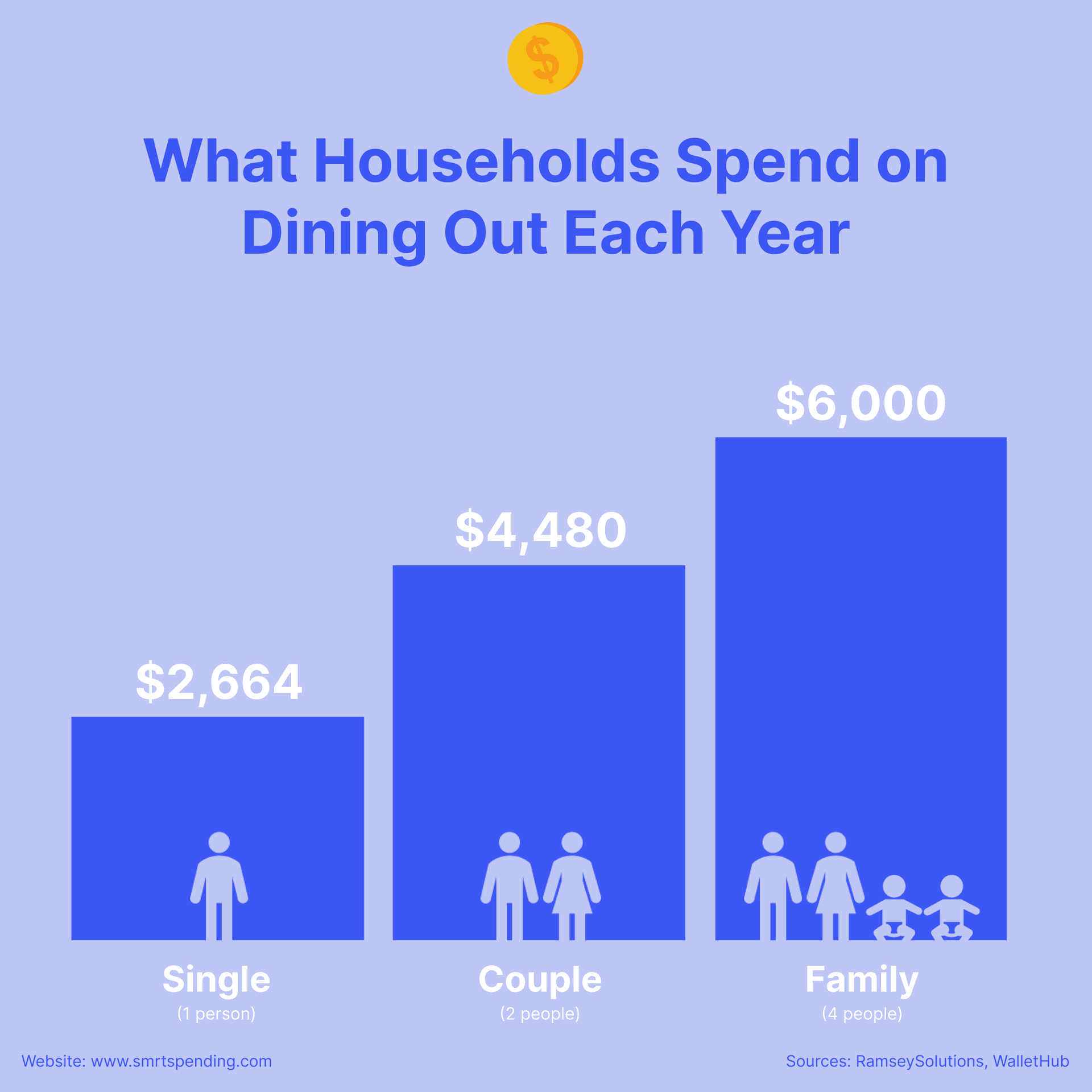
The average household spends over $3,200 a year on restaurants and takeout, with singles at $2,664, couples at $4,480, and families near $6,000 annually.
It feels normal, but those everyday choices add up faster than you think. The good news is you don’t need to give up restaurants entirely.
Cutting back just a few meals a week and redirecting that money toward savings or investments is one of the simplest ways to practice smarter financial decision making.
What Eating Out Really Costs
Dining out is a deeply ingrained habit. Households average $61 per week on eating out, while singles spend $51, couples $86, and families $115.
Even small changes make a difference. For example, trimming just two to three meals weekly frees up $20–$60, without eliminating convenience or social occasions.
Here’s how costs compare:
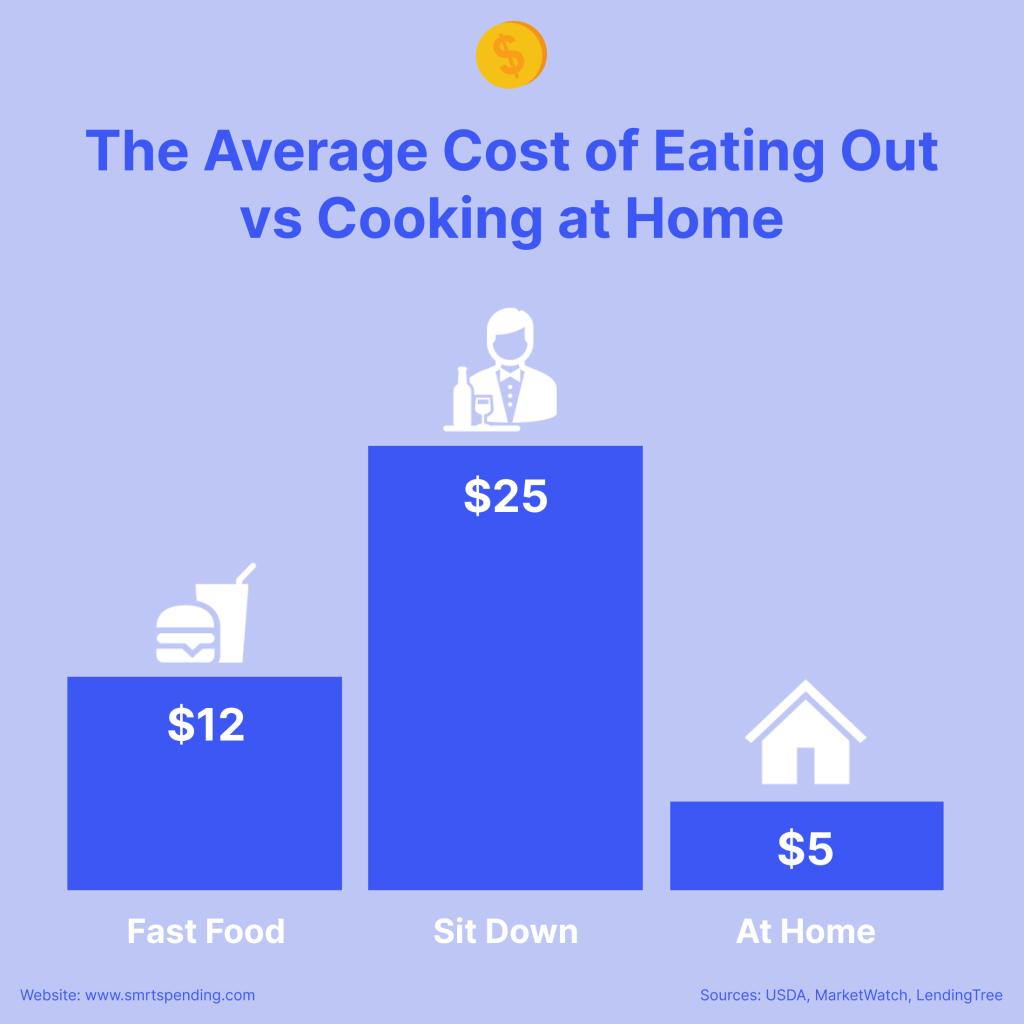
- Fast food: $12 per meal
- Sit-down dining: $25 per meal
- Cooking at home: $4–$6 per meal
Swapping two fast-food meals per week saves $624 annually, while trading two sit-down meals saves $2,600 annually.
These simple shifts connect your daily choices to your financial planning. It follows the same principle we covered in The Real Cost of Your Coffee Habit Over Time, where small, consistent changes lead to meaningful long-term results.
How Small Savings Build Wealth
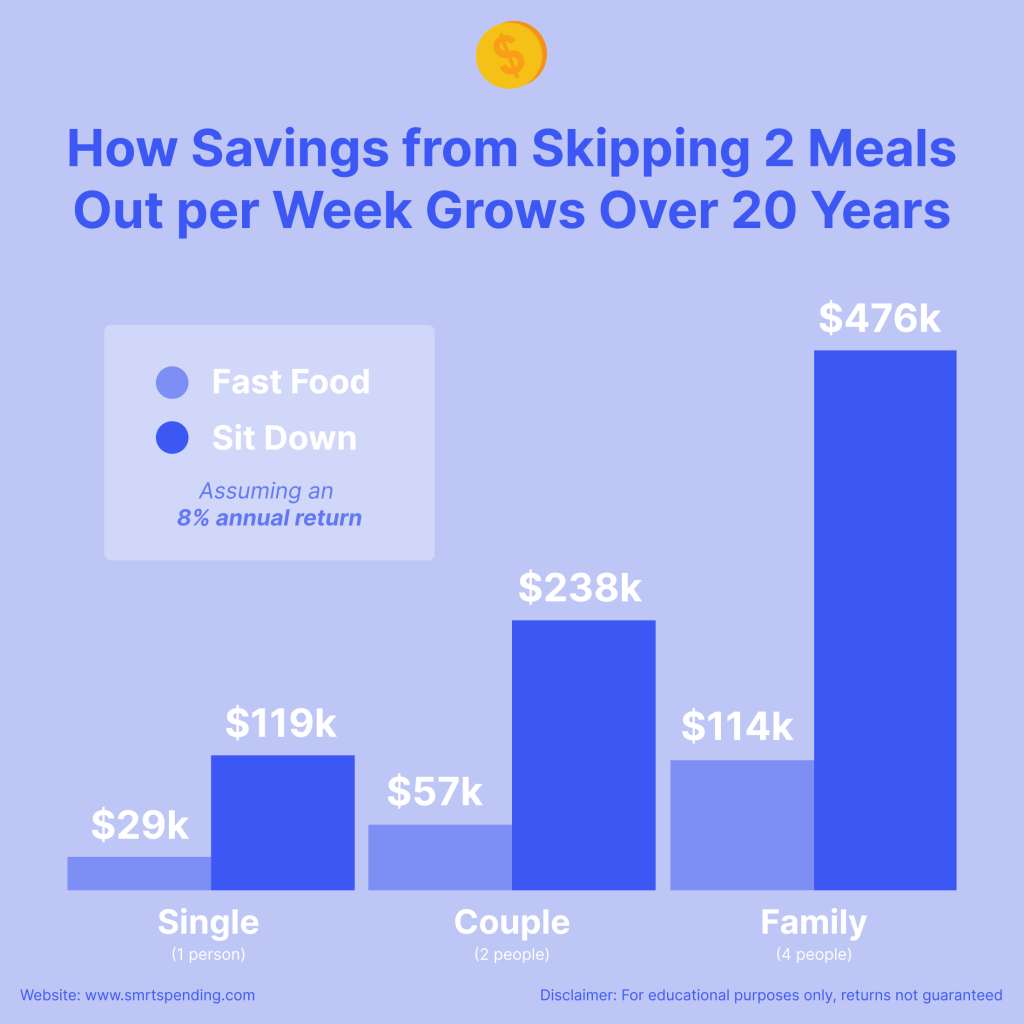
Redirecting the savings from just two meals per week into investments (assuming an 8% annual return) adds up:
- Single: $2,600 saved annually → worth $119,000 in 20 years.
- Couple: $5,200 saved annually → worth $238,000 in 20 years.
- Family of 4: $10,400 saved annually → worth $476,000 in 20 years.
Even fast-food savings add up:
- Single: $624 saved annually → worth $29,000 in 20 years.
- Couple: $1,248 saved annually → worth $57,000 in 20 years.
- Family: $2,496 saved annually → worth $114,000 in 20 years.
These results show how smart financial choices compound over time without major sacrifices.
Want to see how your savings could grow if invested? Try this free investment return calculator and explore the power of compounding.
Turning Meal Savings Into Milestones
These savings can directly fund major goals:
- Mortgage payoff: $2,600 annually can cut 7.5 years off a 30-year mortgage and save $113,000 in interest (based on a $300,000 loan at 6.5%).
- College tuition: $5,200 saved annually for 10 years grows to $75,300 (assuming an 8% annual return), covering much of in-state college tuition.
- Retirement cushion: $10,400 saved annually and invested (at 8%) for 20 years builds to $476,000, enough to cover 7–10 years of living expenses in retirement (depending on your lifestyle).
We recently explored this same concept in Why Starting Early is the Key to Growing Your Wealth, showing how early, steady contributions toward goals like tuition or retirement accelerate your path forward.
This is how SmrtSpending’s financial planning software ties everyday habits to meaningful results.
The Bottom Line
You don’t have to give up everything you enjoy. Small, consistent changes are the foundation of financial freedom.
Cutting back just a few meals out each week creates savings you can see and invest, moving you closer to your financial goals. SmrtSpending helps you visualize these trade-offs and make smart financial choices.
For another practical example, read How an Extra Mortgage Payment Can Save You $100K. To better understand the concept behind this approach, check out How Visualization Leads to Smarter Financial Decisions.